 Yogurt Atelier


Homemade Yogurt: Ingredients and Choosing the Right Recipe
A clearer understanding of milk, cultures and fermentation before your next batch.
Homemade yogurt is milk fermented with live yogurt cultures. Its texture and tang depend on the milk, starter and fermentation conditions. A useful homemade yogurt recipe explains how those choices fit together, rather than treating every batch alike. Understanding them makes it easier to choose guidance that suits your kitchen.
Before you look for a yogurt recipe, decide what you want from the finished yogurt: a mild everyday spoonful, a thicker bowl or a base for fruit drinks. This guide explains the decisions behind a batch. For the illustrated preparation itself, Yogurt Atelier brings guidance and fermentation tracking together on iPhone.
Yogurt Ingredients: Understanding Milk and Starter
The basic yogurt ingredients for traditional dairy yogurt are milk and a suitable live starter culture. Milk supplies the base; the culture drives fermentation. Fruit, honey and other flavorings belong to a different question: how you want to enjoy the finished yogurt.
Milk choice matters because fat, protein and milk solids influence the result. A starter also needs to suit the method you follow. Plant-based yogurt alternatives have different formulations, so a dairy method should not automatically be treated as interchangeable with a coconut or oat preparation.
Harvard's explanation of yogurt describes how cultures convert lactose into lactic acid, helping milk develop its characteristic texture and tartness. That is the central transformation to understand before comparing techniques.
What a Homemade Yogurt Recipe Should Explain
A helpful homemade yogurt recipe connects its ingredients to its method. It should make clear which milk and culture it assumes, what equipment is involved and how the finished yogurt should be handled. Ingredient quantities alone cannot explain those relationships.
Look for clear visual guidance and an explanation of what can change between batches. A method written for one culture or appliance may not transfer directly to another. Understanding the assumptions behind a recipe helps you follow it consistently instead of combining unrelated instructions.
Why Every Yogurt Recipe Needs Fermentation Context
Fermentation takes several hours, but there is no single duration that fits every yogurt recipe. Culture, temperature and the chosen method affect timing. The same clock setting does not promise the same texture or flavor when those conditions change.
Think of a countdown as an organizational tool. It helps you follow the timing specified by your guidance; it does not measure acidity or confirm that food is safe. Use the instructions that match your culture and equipment, including their handling and storage guidance.
Build a Homemade Yogurt Routine You Can Remember
A short batch record makes future comparisons more useful. Note the milk and starter you used, the method you followed and what you noticed about the finished texture. Describe observations plainly, without assuming that one change explains everything.
For dairy preparations, choose pasteurized milk. The FDA's raw milk guidance explains that unpasteurized milk can carry harmful bacteria. Homemade does not remove the need for food-safety precautions.
From Plain Yogurt to Everyday Inspiration
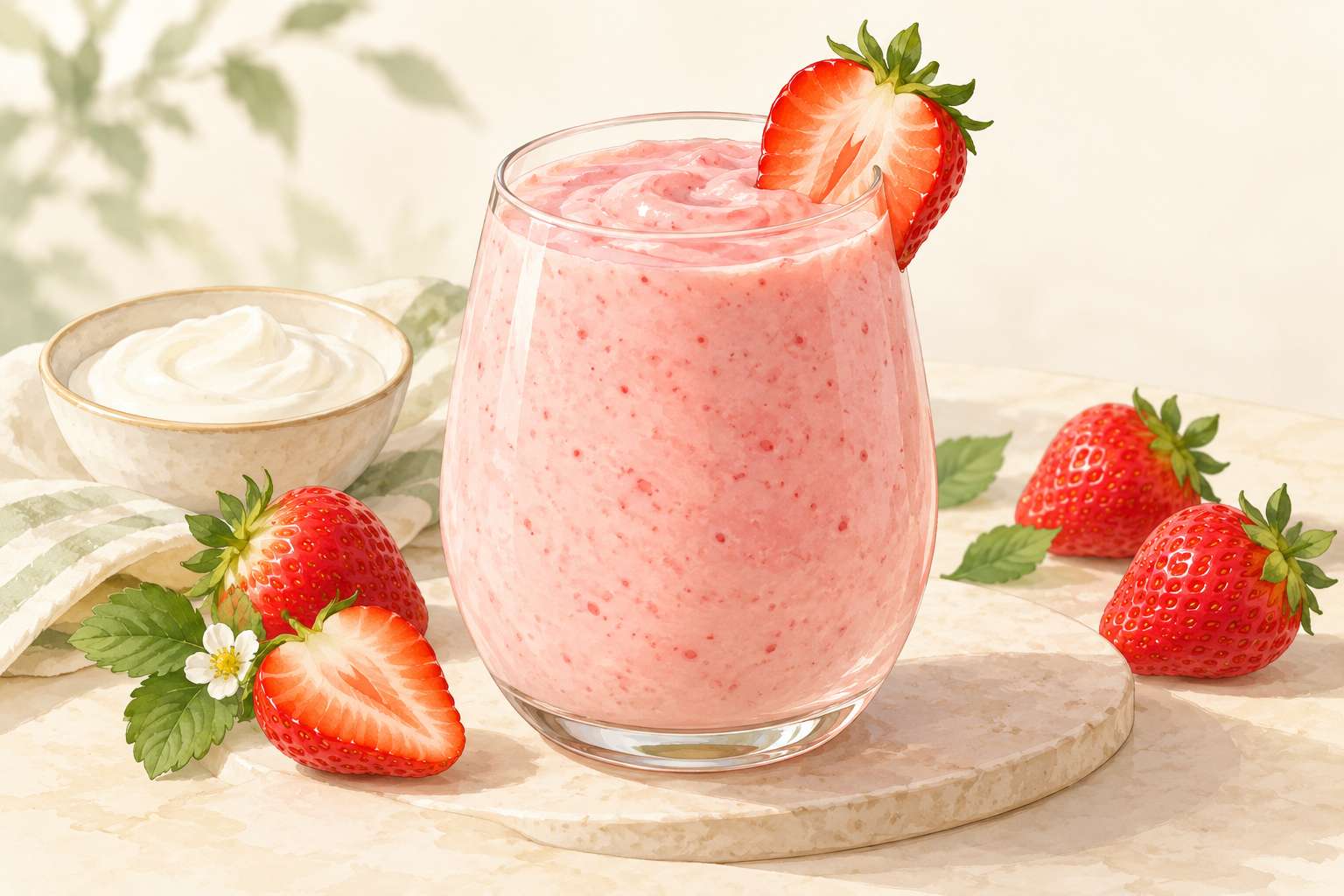
Once you have finished yogurt, the possibilities extend beyond breakfast. Smoothies, savory accompaniments and simple bowls each highlight a different side of its flavor. The smoothie illustrations here show serving inspiration; they are not instructions for fermenting milk or photographs of a tested batch.

Homemade Yogurt: Five Common Questions
What are the basic yogurt ingredients?
Traditional dairy yogurt starts with milk and a suitable live culture. Flavorings are separate choices. Plant-based alternatives need guidance designed for their particular ingredients.
What should I look for in a homemade yogurt recipe?
Look for clear assumptions about milk, starter and equipment, along with handling and storage guidance. Visual explanations can help you understand the method before starting.
Does every yogurt recipe use the same fermentation time?
No. Fermentation timing depends on the culture, temperature and method. Follow matching guidance rather than treating one duration as universal.
Is homemade yogurt the same as Greek yogurt?
No. Homemade describes where it is made; Greek-style generally describes strained yogurt. A homemade batch can be strained or unstrained.
Can Yogurt Atelier help me organize homemade yogurt?
Yes. Yogurt Atelier offers guided preparation, fermentation tracking and batch notes on iPhone. Use those tools alongside the instructions appropriate for your culture and equipment.